
Testing Jordan with one hire can look easy, until payroll, contract language, and permit rules appear. A Jordan employer of record lets you hire legally without opening a local company.
That helps only if the setup is compliant. Jordan has clear rules on wages, hours, leave, notice, and work permits, so small mistakes can get expensive fast. Start with the basics, then choose a provider that can carry the admin.
Why a Jordan employer of record makes sense
Jordan appeals to companies that want a practical base for regional hiring. Amman has a strong educated talent pool, many business roles use English, and the market works well for sales, research, support, and specialist tech hires. For a quick country snapshot, this Jordan hiring guide is a useful starting point.
The hard part isn’t market interest. It’s hiring one person without building a company around them. A local entity can take months, add legal and accounting work, and slow a market test before it even starts.
An EOR solves that by becoming the legal employer in Jordan while you manage day-to-day work. It handles local contracts, payroll, tax withholding, social security, benefits, and labor law updates.
That setup is especially useful for remote-first startups and scale-ups. If you’re hiring a sales rep, a business development lead, or your first in-country operator, an EOR gives you a low-risk way to move with a real employee instead of a shaky contractor arrangement.
Jordan hiring rules that matter in 2026
Jordan’s main labor framework is still Labour Law No. 8 of 1996, with recent updates that still shape 2026 hiring. Those updates affect flexible work, outsourcing, worker protections, and foreign workers.
One rule trips up foreign employers early: contracts should be in Arabic, and workers who don’t speak Arabic should get a version they understand. The Jordan Chamber of Industry labor law FAQ is helpful on that point.
An EOR doesn’t remove Jordan’s rules. It applies them correctly on your behalf.
Keep these points in mind:
| Topic | 2026 practical point |
|---|---|
| Minimum wage | JOD 290 monthly for most Jordanian private sector workers, JOD 230 for many migrant workers |
| Working time | Up to 8 hours per day, or 48 per week |
| Annual leave | 14 paid days after one year, rising to 21 after five years |
| Notice and payroll | One month is common for indefinite contracts, and wages should run through the Wage Protection System |
If you’re hiring a foreign national in Jordan, work permits still apply and local hiring priority rules still matter. An EOR can manage the paperwork and timing, but it can’t skip the law.
Remote and flexible roles also need contracts that match the real setup. That’s important because Jordan’s newer flexible work rules still shape how home-based and hybrid arrangements should be documented.
How the EOR process works, and what to compare
Most EOR hiring flows are simple. You share the role, pay, start date, and country details. The provider checks eligibility, drafts the local contract, collects onboarding documents, and starts payroll in local currency.
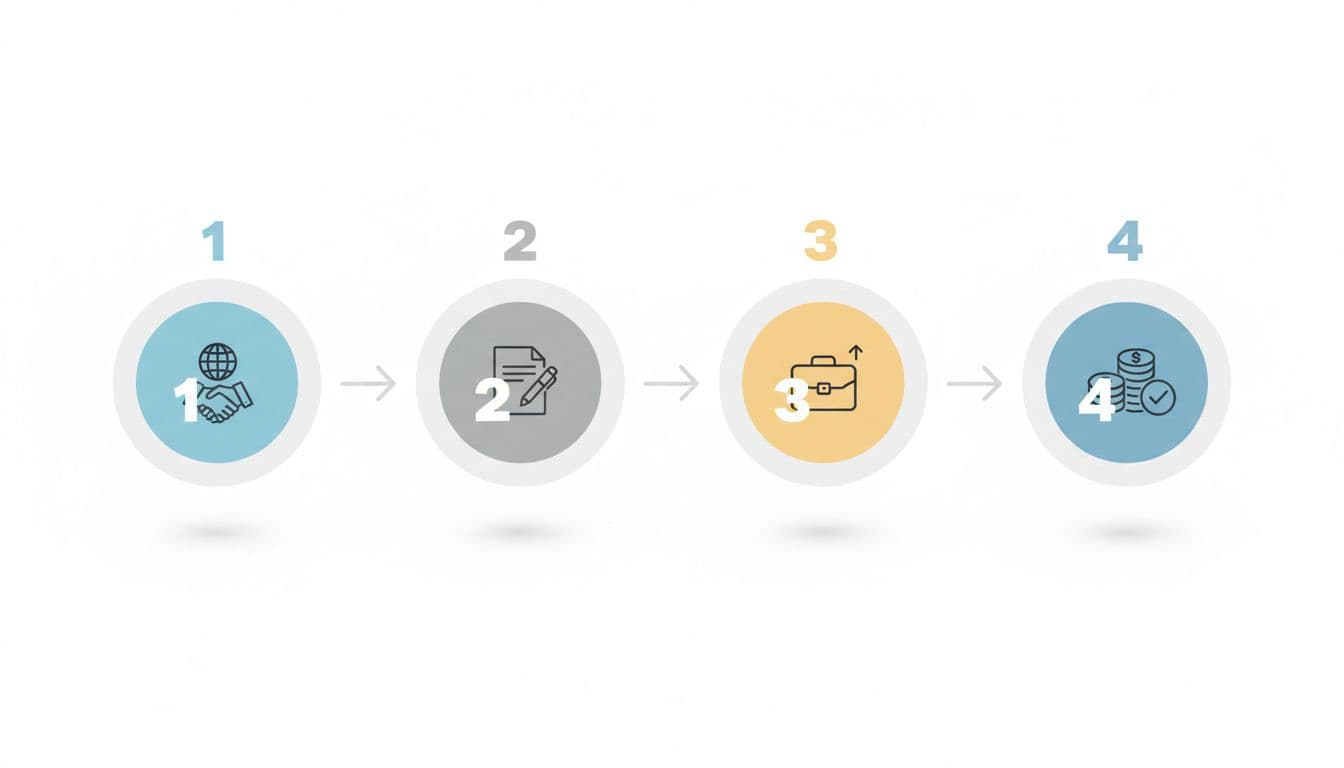
Good providers can move from offer to first payroll in days or a few weeks, not the one to four months often tied to entity setup. That matters for investor-backed teams that need speed but can’t risk payroll or contract errors.
Expandbase is one solution worth comparing. It supports hiring in 150-plus countries and focuses on guided onboarding, country-specific contracts, multi-currency payroll, benefits handling, expense management, and audit-ready records. It also puts more weight on clear pricing and lower lock-in, which matters because surprise fees and painful exits are common complaints in the EOR market.
The best providers don’t stop at payroll. They also keep documents ready for audits and give finance and HR teams a cleaner view of headcount across countries. That can cut a meaningful amount of weekly admin work, especially for lean teams.
When comparing providers, ask who answers Jordan-specific questions, what the full monthly cost includes, and how offboarding works. A broader Jordan EOR overview can help you benchmark options before you sign.
When an EOR is cheaper than opening a Jordan entity
For small teams, an EOR often costs less than opening a Jordan entity. Many services land around $250 to $550 per employee per month, depending on support and add-ons. That can still be cheaper than legal setup, local accounting, payroll tools, and the time your team loses to admin.
The math gets clearer when you’re testing the market. Entity setup can take one to four months and cost thousands per year before you count internal time. If you only need one salesperson, one researcher, or a short-term project team, that’s a heavy setup for a small bet.
Watch the hidden costs, too. Setup fees, FX spreads, benefits markups, and offboarding penalties can turn a low headline price into an expensive one. For extra detail, this Jordan payroll tax guide is a helpful reference.
An EOR usually makes more sense for first hires, contractor conversions, and temporary expansion. If you later build a bigger long-term office, an entity may be worth it.
Hiring in Jordan usually goes wrong when speed outruns compliance. A Jordan employer of record lets you move faster while keeping contracts, payroll, benefits, and local rules in order.
For startups and scale-ups, that’s often the smarter first move. Prove the market first, then decide if a local entity deserves the weight.