
Hiring in Moldova can move fast, but the paperwork can slow you down. If you want your first employee in place without opening a local company, a Moldova employer of record is often the cleanest path.
That matters most for startups, remote-first teams, and companies testing a new market. You get local hiring coverage, while avoiding months of entity work, payroll setup, and country-specific admin. The key is knowing where the EOR helps, and where Moldova’s rules still need close attention.
Why a Moldova employer of record makes sense
An employer of record hires the worker on paper, then handles the local employment layer for you. You still manage the person’s daily work, goals, and performance. The EOR manages the contract, payroll, statutory deductions, and local filings.
For many companies, that trade-off is worth it. Setting up a local entity can take one to four months and add ongoing accounting, payroll, and compliance costs. An EOR cuts that first barrier, which is why it works well for one sales hire, a small product team, or a short-term market test. You can see the same logic in this step-by-step hiring guide for Moldova.
This quick comparison shows where each route fits best:
| Approach | Best fit | Main drawback |
|---|---|---|
| Local entity | Large, permanent Moldova team | More setup and ongoing admin |
| Employer of record | First hires, market testing, faster launch | Service fee and reliance on provider |
An EOR also helps when Moldova is only one part of a wider expansion plan. If you’re comparing nearby markets too, the Cyprus Employer of Record Checklist is a useful reminder that each country has its own contract, tax, and onboarding rules.
Moldova employment rules to get right in 2026
Moldova’s Labor Code still sets the core rules you need to respect in 2026. Employment contracts should be drafted in Romanian and must spell out pay, job duties, and terms clearly. Probation can reach up to six months, depending on the role and setup, so the contract wording matters from day one.

Working time is generally 40 hours a week. Overtime is limited and paid at higher rates, with a common annual cap of 120 hours, or up to 240 hours if the employee agrees. Paid annual leave is generally 28 days. Maternity leave runs 126 days. Public holidays are also part of the payroll picture, so local calendar handling matters.
Termination needs care as well. Written notice is often required, commonly one month in many cases, and severance can apply depending on the reason and the employee’s time in role. That is where many foreign companies make mistakes, because dismissal rules abroad rarely mirror home-country practice.
Hiring a Moldovan national is one process. Sponsoring a foreign national to work in Moldova is another.
If you want to hire a foreign worker in Moldova, extra steps apply. The vacancy may need to be registered with the National Employment Agency, and the employer may need to show that no suitable local candidate was available. After that, the worker may need a work permit, a long-stay D visa, and a temporary residence permit. Pay also needs to meet local thresholds for sponsored foreign hires, along with social and health contributions. Permit timing can stretch from weeks to months, which is why planning ahead matters. A separate 2026 Moldova EOR update highlights many of these same foreign-hiring issues.
How the hiring process works with an EOR
The process is usually simple when the provider knows the country well. First, you share the role, compensation, start date, and worker details. Then the EOR checks right-to-work status, local hiring rules, and the proposed terms.
Next comes onboarding. The employee uploads ID and tax documents through a secure flow, then signs a locally compliant contract. Good providers keep this part tight, because delays here often spill into payroll and benefits.
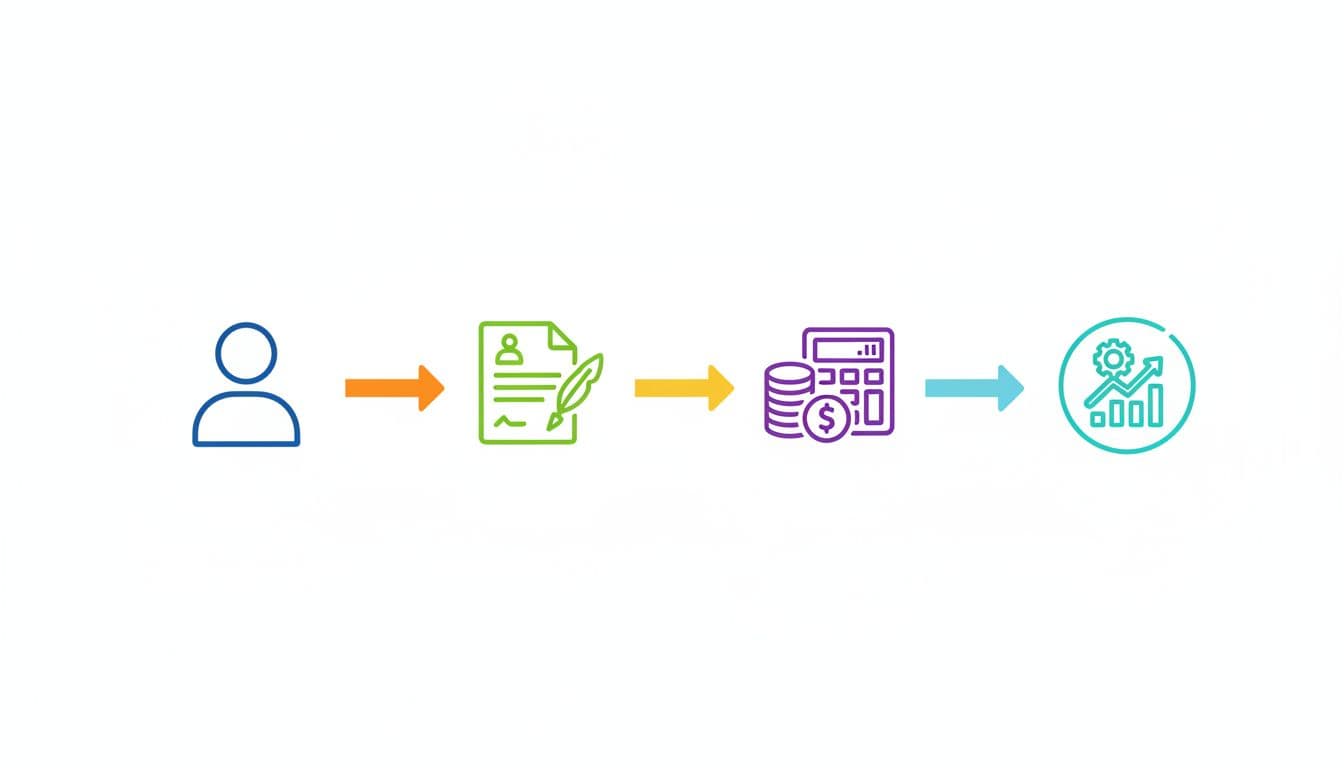
After the contract is signed, payroll starts in local currency. Taxes, social charges, and deductions are applied through the local rules. Payslips are issued on schedule, and employment records stay ready for audits or future checks. That matters for finance teams as much as HR teams, because missing records create problems later.
This is where providers can feel very different. Some platforms hand you a dashboard and leave you to figure out the rest. Others guide the process from request to first payroll. Expandbase falls into the second group. It supports hiring in 150-plus countries, generates country-specific contracts, handles multi-currency payroll, and keeps tax and compliance records in one place. Its own material also points to lower HR admin and lower costs than opening entities in every new market.
What to look for in an EOR partner for Moldova
Price matters, but it should not be the first filter. A cheap provider can turn expensive if it adds fees later, misses a filing, or leaves your team alone during onboarding. Clear pricing, solid local contract handling, and responsive support matter more than a low headline rate.
Expandbase is one option worth considering for Moldova if you want guided onboarding rather than a self-serve portal. Its model covers contracts, payroll, taxes, benefits, and ongoing compliance, with audit-ready records and less manual work for HR and finance. It is also built for companies entering more than one country at once, which helps if Moldova is only the start.
You should also ask about offboarding, data handling, and how fast payroll can go live. Those details often decide whether the EOR saves time or simply shifts your admin somewhere else.
Conclusion
A Moldova employer of record is a practical route when you need local hiring without local entity work. It gives you speed, but the real value is compliance you can trust, especially around contracts, payroll, leave, termination, and foreign-worker permits.
The safest approach is simple. Know which Moldova rules apply to your hire, choose a provider that handles the local employment layer properly, and keep your team focused on the work instead of the paperwork.