
Want to hire in Pakistan without opening a local company first? That’s where an employer of record Pakistan setup can make life much easier. You get a legal path to hire, pay, and onboard people, while the EOR handles the local employment layer.
For startups, remote-first teams, and scale-ups, that matters. Pakistan offers strong hiring potential, but the rules can shift by province, payroll has strict steps, and one missed detail can create a mess later. This guide gives you a practical 2026 checklist, plus the legal points worth checking before you make an offer.
Why an employer of record makes sense in Pakistan
Pakistan is attractive for tech hiring, support roles, sales, and project-based teams. Still, hiring there isn’t as simple as sending an offer letter and wiring salary every month. Local labor rules, social contributions, wage floors, and termination steps all need care.

An EOR works like a local hiring bridge. Your team member works for you day to day, but the EOR becomes the legal employer in Pakistan. As a result, you can hire faster and skip the cost and delay of setting up an entity.
That matters if you’re testing a market. It also helps if you’re converting a contractor into an employee or hiring your first person in Lahore, Karachi, or Islamabad. In other words, it gives you a lower-risk way to move.
Expandbase is one option built for that model. Its service focuses on compliant contracts, payroll in local currency, benefits setup, and audit-ready records across 150-plus countries. Based on its published process, companies can move from hire request to digital onboarding quickly, with payroll setup starting within days instead of months. That can reduce admin work and save the cost of entity setup.
If you want an outside snapshot of how local EOR hiring works, this Pakistan EOR guide gives a useful country-level overview.
Key legal requirements for hiring in Pakistan in 2026
The first thing to know is simple: Pakistan is not one single rulebook. Because of the 18th Amendment, labor rules vary by province. Punjab, Sindh, Khyber Pakhtunkhwa, Balochistan, and Islamabad can apply different standards or updates.
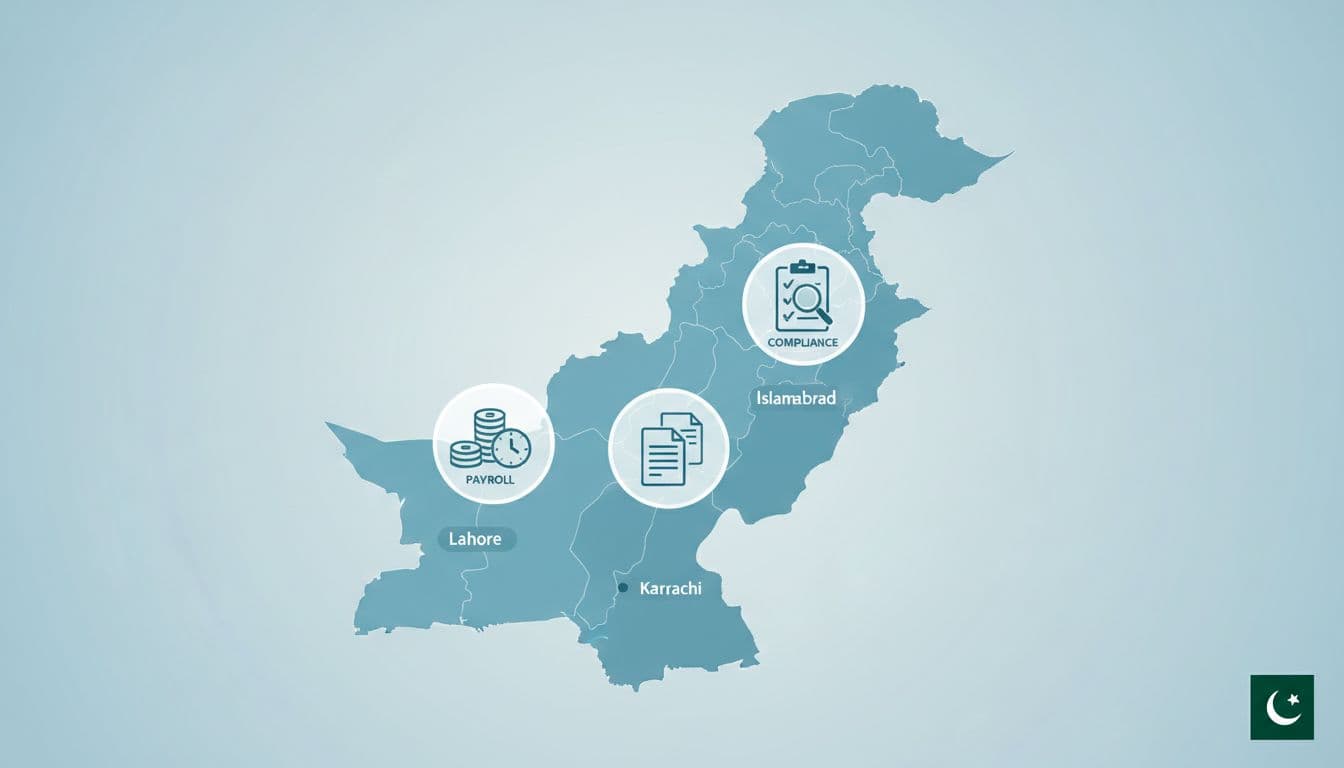
As of March 2026, Pakistan’s federal minimum wage is Rs37,000 per month, while Punjab and Sindh have wage floors of Rs40,000 for unskilled workers based on recent updates. However, wage rules can change by province and worker category, so check the right local rate before you hire.
Written contracts matter. A proper contract should cover pay, hours, leave, probation, notice, and termination terms. Probation often runs three to six months. Also, employers need to follow local standing orders on discipline, confirmation, and dismissal.
Hours and pay rules are also clear. Standard time is usually capped at 48 hours per week, with no more than 9 hours in a day and 60 hours total including overtime. Extra hours generally require double pay. Besides that, employees need weekly rest and legally required leave, which may include annual, sick, maternity, and paternity leave depending on the case.
Pakistan hiring is province-aware hiring. A contract that works in one region may need changes in another.
Payroll compliance is where many foreign employers slip. You may need EOBI pension registration and provincial social security contributions for eligible staff. Payslips, lawful deductions, leave tracking, and termination records all need to be documented. For factories or higher-risk workplaces, safety rules also apply.
For a wider look at current local rules, see this labour law compliance guide for Pakistan and these Pakistan hiring updates.
Your 2026 hiring checklist for Pakistan
A good checklist keeps legal, finance, and HR teams on the same page. Think of it like packing for a long flight, miss one passport and the whole trip stalls.
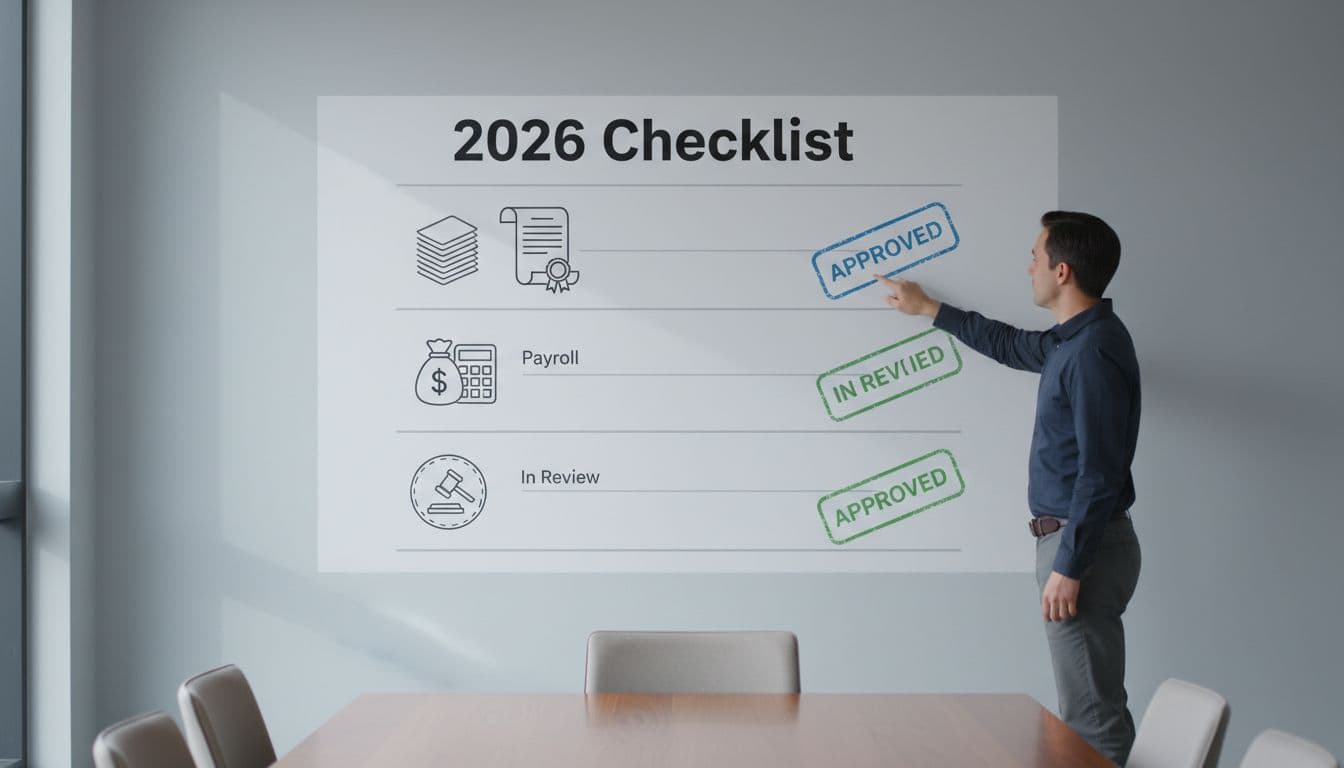
- Pick the right worker model: Decide if this person should be an employee, not a contractor. This is common when you’re managing hours, targets, and tools directly.
- Confirm the work location: Province matters in Pakistan. The hiring steps may differ if your employee sits in Punjab instead of Sindh.
- Benchmark salary against local rules: Check minimum wage, overtime exposure, and any role-based pay standards before you approve compensation.
- Use a written local contract: Include job title, probation, pay cycle, leave, hours, notice, and termination terms. Vague contracts create disputes.
- Collect hiring documents early: ID, tax details, bank details, and any required local forms should be gathered before start day.
- Set up payroll and contributions: This includes local currency pay, payslips, tax handling, EOBI, and social security where required.
- Map leave and offboarding before day one: Good hiring starts with a clear exit process. Notice periods and final pay rules should be settled upfront.
- Choose an EOR with human support: A self-serve tool can look cheap at first, but local questions still need real answers.
This is where providers differ. Expandbase positions itself around guided support, transparent pricing, compliant contracts, digital onboarding, and payroll records that sync cleanly with HR and finance workflows. That model can be especially useful if you need to hire in Pakistan now and expand into other countries later.
For a broader process view, this 2026 EOR onboarding guide is a helpful cross-check.
What to look for in a Pakistan EOR provider
Not every EOR solves the same problems. Some are heavy on software and light on support. Others hide fees in payroll, FX, onboarding, or exit terms.
Look for three things:
- Clear pricing: Taxes, social costs, benefits, and service fees should be easy to understand.
- Province-aware compliance: Pakistan hiring needs local detail, not a one-size-fits-all template.
- Practical onboarding help: Contract drafting, document collection, and payroll activation should move without long delays.
If the provider can also support future hires outside Pakistan, that’s even better.
Final thoughts
Hiring in Pakistan can be quick, but only if the legal pieces are handled from the start. An EOR gives you a simpler path, especially when speed and low risk both matter. If you’re planning your first hire or converting contractors, a well-run EOR setup can save time, cut admin, and keep growth on track.